

Google Maps SEO Tips: How to Optimize Your Business Profile for More Local Leads
Optimising your presence on Google Maps and Google Business Profile (GBP) turns search visibility into real local leads for trades like plumbers, electricians and builders. This guide explains practical Google Maps SEO tips that trades businesses can implement today: claiming and verifying your GBP, writing an entity-rich description, keeping NAP consistent, encouraging reviews, and building targeted local citations. You will learn step-by-step actions, simple audit checks and examples tailored to trades so you can fix common issues that stop local customers finding and calling you. The article covers how to complete GBP fields correctly, the ranking factors that matter for local pack placement, ethical review workflows tuned to trades, and a citation checklist for UK directories. Throughout, semantic terms like GBP verification steps, NAP consistency and local citations for trades are used so you can follow modern local SEO practices and test improvements using GBP Insights and local rank tracking.
How Do You Optimize Your Google Business Profile for Local SEO?
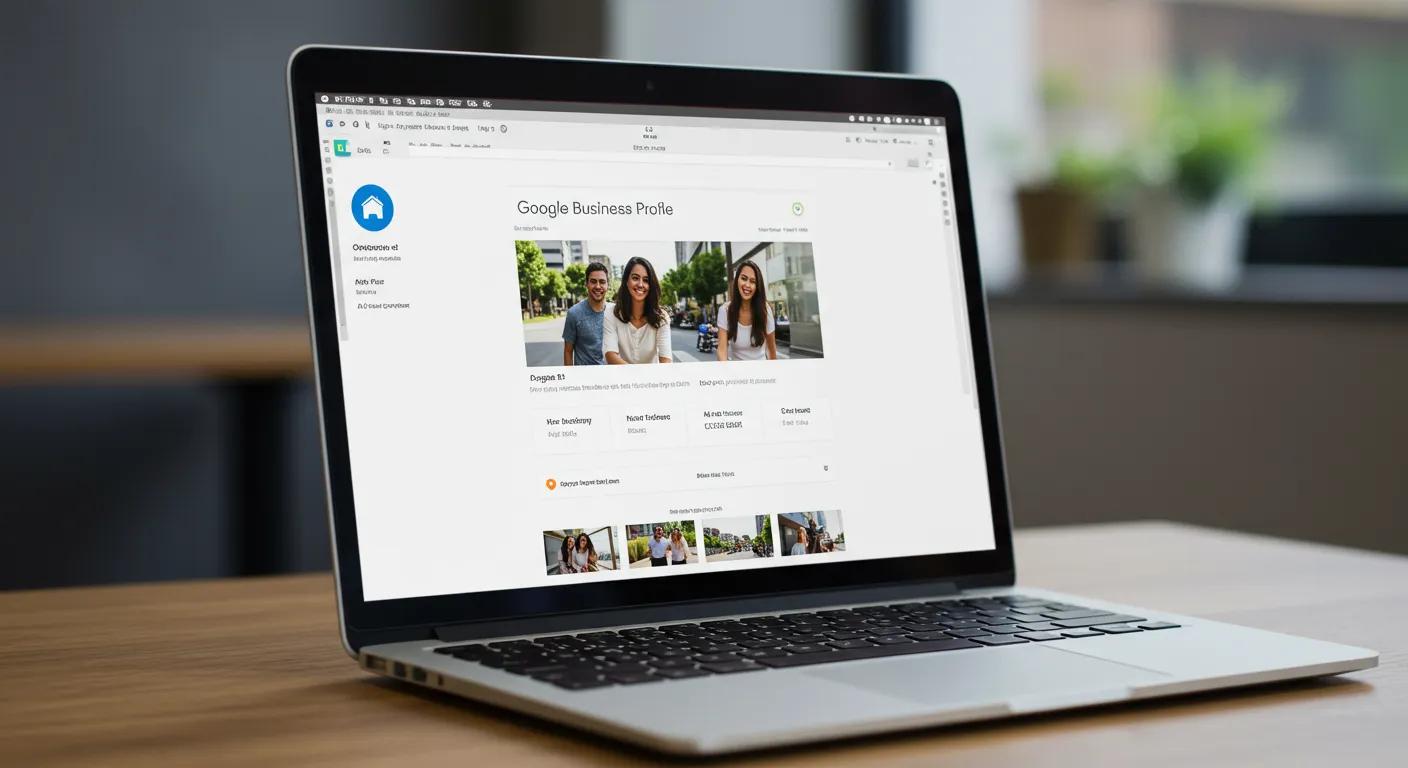
A fully optimised Google Business Profile signals to Google what your trade business does, where it serves and why it should appear for relevant “near me” searches. Complete the core GBP fields—business name, categories, phone, website reference, services, opening hours and geo-tagged photos—to increase relevance, proximity signals and prominence. Quality photos and clear service listings improve click-through and conversion when your listing appears on Google Maps, while correct categories and entity-rich descriptions boost topical relevance. Follow the checklist below to focus effort where it counts.
This short checklist covers the highest-impact GBP actions for trades:
- Claim and verify the GBP so you control the listing details.
- Choose primary and secondary categories that match your trade services.
- Add service areas, individual services, and clear pricing cues where possible.
- Upload high-quality, geo-tagged photos of jobs and team members.
- Maintain consistent NAP and link to service pages with LocalBusiness schema.
The steps above create a baseline; next are the precise verification actions that make claiming straightforward and resilient against common issues.
What Are the Steps to Claim and Verify Your Google Business Profile?
Claiming and verifying a Google Business Profile starts by searching for your existing listing and choosing “claim this business” if it appears, or creating a new profile if not. Verification options typically include postcard by mail, phone, email or instant verification if you already use Google Search Console; trades often rely on postcard verification when working from a service-area model. Common pitfalls include multiple duplicate listings, inconsistent NAP across citations and incorrect category selection; resolve duplicates by claiming and merging or flagging them for removal. After verification, immediately complete all fields and upload photos so Google treats the profile as active and reliable.
How to Craft an Entity-Rich Business Description for Trades?
An entity-rich GBP description clearly names the trade, the services offered, the service area and trust signals such as certifications or guarantees, while avoiding keyword stuffing. For example, a plumber description might mention “emergency drain clearing, boiler servicing and bathroom installations across [town names]” and an electrician description could list “consumer unit upgrades, fault finding and landlord safety certificates.” Use natural locality phrases like “near me” and town names where they read naturally, then finish with a customer-focused sentence about response times or estimates. Well-written descriptions improve entity recognition by search engines and provide conversion-focused clarity for prospective local customers.
Before moving to ranking factors, note that some trades choose to outsource GBP verification and completeness checks to a local SEO provider. Marchewka Studios, a digital agency with an active local presence, can assist with claim and verification workflows and ensure GBP completeness if you prefer a technical hand to speed implementation.
What Are the Top Local SEO Ranking Factors for Google Maps?
Local ranking on Google Maps depends on a combination of completeness, relevance, proximity and prominence signals that together determine pack placement. GBP completeness and correct categories tell Google what you do, proximity and service area settings show where you operate, and prominence signals—reviews, citation volume and on-site local signals like LocalBusiness schema—demonstrate trust and authority. On-site localisation such as service pages, schema markup and internal linking supports GBP signals and helps Google resolve your business as a coherent local entity. Prioritise these factors in the order of impact: GBP completeness, relevance (categories/services), reviews, citations, then on-site signals.
Key ranked factors explained:
- GBP completeness and up-to-date information improve eligibility for the local pack.
- Accurate categories and services increase relevance for industry-specific searches.
- Proximity and well-defined service areas control which queries you can rank for.
- Prominence from reviews, citations and local mentions signals credibility to Google.
Understanding these factors clarifies where to invest effort: fix GBP and reviews first, then scale citations and on-site optimisations.
Why Is NAP Consistency Crucial for Local Search Rankings?
NAP consistency means using one canonical business name, address format and phone number everywhere your business appears online, including citations, profiles and your website. Inconsistent NAP fragments Google’s entity resolution and can reduce local visibility, cause suppressed listings or create duplicate entries. To audit NAP consistency, compile current listings, compare fields to your canonical version and prioritise updates on high-authority directories and top citation sources. Simple fixes include standardising abbreviations, ensuring the same punctuation, and documenting the canonical format for future use.
How Do Customer Reviews Influence Your Google Maps Ranking?
Customer reviews contribute to prominence and conversion: higher review counts, recent reviews and a mix of reviewers signal active local popularity, which helps ranking and click-through. Review rating and sentiment affect user trust, while timely responses from the business increase perceived professionalism and can encourage more feedback. Ethically encourage reviews by asking at point-of-service, providing a short direct link or QR code and avoiding incentives that violate Google guidelines. Together, review quantity, quality and response cadence form a measurable route to improved maps visibility.
How Can Trades Businesses Get More Google Reviews Effectively?
Trades businesses boost review volume by embedding review requests into normal workflows and making the process effortless for customers. Timing is critical: ask immediately after a successful job when satisfaction and recall are highest, provide a simple direct instruction or QR code on a receipt, and follow up once with a short polite message if needed. Use templates for face-to-face asks, SMS prompts and invoice notes that explain how to leave feedback without offering inducements. Track review sources and response patterns to refine the approach and focus on jobs that produce the highest satisfaction and testimonial value.
Practical tactics to encourage authentic reviews:
- Ask at job completion: a quick verbal request plus a printed card or QR code.
- Use a one-click review link: include it on invoices and follow-up SMS.
- Time the follow-up: send a courteous reminder 24–72 hours after completion.
- Train staff: ensure every technician knows to request feedback consistently.
A structured review workflow raises review count and diversity, which strengthens both ranking signals and new-customer trust.
What Strategies Encourage Authentic Positive Reviews?
Encourage genuine reviews by focusing on service quality, clarity and convenience rather than incentives. After completing work, explain briefly how a review helps and offer an easy path: signage, QR codes on paperwork or a short SMS with clear instructions. Avoid offering discounts or gifts in exchange for reviews; instead, ask all customers equally and make the request part of your standard closeout procedure. Collecting diverse reviewer types—homeowners, landlords, commercial clients—also signals broad reliability to search engines.
How Should You Respond to Google Reviews to Build Trust?
Respond promptly to all reviews with a tone that is professional, appreciative and solution-oriented for negatives. For positive reviews, thank the customer and add one specific detail to personalise the response; for negative reviews, acknowledge the issue, apologise if appropriate and invite offline resolution while documenting the fix. Timely, constructive responses show prospective customers you care and help convert searches into calls. Maintain records of resolutions to prevent repeat issues and to evidence improvements when contesting unfair reviews.
How Do You Build Local Citations to Boost Google Maps SEO?
Local citations on high-authority, trade-relevant directories reinforce your business’s prominence and help Google corroborate your NAP and service focus. Prioritise national and niche trade directories, local chambers and supplier portals that allow full NAP, service listings and links to service pages. Regular audits find duplicates and inconsistencies; correcting these and adding rich data (photos, categories, service descriptions) improves citation signal quality. Implement a monthly citation check schedule to ensure new listings remain aligned with your canonical NAP.
Which directories to prioritise for trade citations (intro):
- National general directories, local council or chamber listings, and trade-specific portals deliver the most relevant citations for UK trades.
- Prioritise platforms that allow service-area specification, multiple categories and verification.
- Build citations gradually, focusing first on high-authority sources and trade portals relevant to your services.
A focused citation plan reduces NAP drift and raises prominence without wasting time on low-value listings. For trades businesses that prefer outsourcing, Marchewka Studios can run citation audits and standardise NAP across key directories to save time and improve accuracy.
Which Directories Are Best for Trades Citation Listings?
Top choices include national business directories, trade portals specific to plumbing or electrical work, supplier networks and local government or chamber listings. High-authority national directories improve general prominence while trade-specific portals increase relevance for service queries. When listing, supply consistent, canonical NAP, service descriptions and geo-tagged photos to maximise the citation’s value. Prioritise verification-capable listings that accept structured service data and allow updates as your service mix evolves.
How to Ensure NAP Consistency Across All Local Citations?
Start by choosing a canonical NAP format and recording it centrally; use that version for every directory, social profile and website reference. Run an audit with citation tools or a manual spreadsheet to find discrepancies, claim or correct listings and merge duplicates when available. For time-poor trades, a periodic professional audit helps keep data consistent and prevents ranking loss due to fragmented entity signals. Document each change and schedule quarterly checks to maintain long-term consistency and search visibility.
For trades ready to convert improved visibility into leads, consider professional local SEO support: Marchewka Studios specialises in Google Maps optimisation for trades and can help with GBP verification, citation audits and review workflows to drive measurable local-lead growth.
Frequently Asked Questions
What is the importance of Google Maps SEO for trades businesses?
Google Maps SEO is crucial for trades businesses as it enhances local visibility, making it easier for potential customers to find and contact them. By optimising their Google Business Profile (GBP), trades can appear in local search results, particularly for “near me” queries. This visibility translates into increased foot traffic, phone calls, and ultimately, more leads. Given that many customers search for local services online, effective Google Maps SEO can significantly impact a tradesperson’s success and revenue.
How can I track the performance of my Google Business Profile?
To track the performance of your Google Business Profile, utilise GBP Insights, which provides valuable data on how customers interact with your listing. You can monitor metrics such as the number of views, clicks to your website, and requests for directions. Additionally, tracking customer reviews and engagement can offer insights into your reputation and areas for improvement. Regularly analysing this data helps you refine your SEO strategies and enhance your local presence over time.
What are the best practices for managing customer reviews?
Managing customer reviews effectively involves responding promptly and professionally to all feedback. Thank customers for positive reviews and address any concerns raised in negative reviews with empathy and a willingness to resolve issues. Encourage satisfied customers to leave reviews by making the process easy, such as providing direct links or QR codes. Regularly monitoring reviews helps maintain a positive online reputation, which is essential for attracting new customers and improving your Google Maps ranking.
How do local citations affect my Google Maps ranking?
Local citations play a significant role in improving your Google Maps ranking by reinforcing your business’s credibility and relevance. When your business information is consistently listed across various high-authority directories, it signals to Google that your business is legitimate and trustworthy. This consistency helps Google accurately associate your business with specific services and locations, enhancing your visibility in local search results. Regular audits and updates to your citations ensure they remain accurate and beneficial for your SEO efforts.
What should I include in my Google Business Profile photos?
Your Google Business Profile photos should include high-quality images that showcase your work, team, and premises. Consider adding before-and-after shots of completed projects, photos of your team in action, and images of your workspace or vehicles. Geo-tagging these photos can further enhance local relevance. Engaging visuals not only attract potential customers but also improve your profile’s click-through rate, making it more likely that users will choose your services over competitors.
How often should I update my Google Business Profile?
Regular updates to your Google Business Profile are essential to maintain accuracy and relevance. Aim to review and update your profile at least once a month, or more frequently if there are changes to your services, hours, or contact information. Additionally, adding new photos and responding to reviews promptly can keep your profile fresh and engaging. Consistent updates signal to Google that your business is active, which can positively influence your local search ranking.
What are the benefits of using LocalBusiness schema markup?
Implementing LocalBusiness schema markup on your website enhances your visibility in local search results by providing search engines with structured data about your business. This markup helps Google understand your services, location, and contact information more clearly, which can improve your chances of appearing in the local pack. Additionally, it can lead to rich snippets in search results, making your listing more attractive to potential customers. Overall, schema markup is a valuable tool for boosting local SEO efforts.