

Understanding the Mobile App Development Lifecycle: Key Steps and Best Practices for Trades Businesses
The mobile app development lifecycle is a structured process that guides the creation of mobile applications from initial concept to post-launch support. Understanding this lifecycle is crucial for trades businesses looking to leverage mobile technology to enhance their operations and customer engagement. This article will explore the essential stages of mobile app development, the impact of design on user experience, and the importance of post-launch maintenance. By following these best practices, trades businesses can ensure their mobile applications are not only functional but also effective in generating leads and improving customer satisfaction.
This structured approach, encompassing planning, development, testing, and deployment in iterative cycles, is a core component of Application Lifecycle Management (ALM), ensuring continuous improvement and user satisfaction.
Understanding Application Lifecycle Management (ALM)
Every enterprise-scale software program goes through a life cycle of planning, development, testing, and deployment in iterations, allowing customers to see what is being developed along the way and to provide feedback that effectively drives the quality of the software to their satisfaction. As a developer, you don’t just write code—you do many things in addition to writing code that align software development business needs. This is collectively calledApplication Lifecycle Management (ALM), and it includes the following tasks:
Application lifecycle management, S Chanda, 2013
In this guide, we will cover the essential stages of the app development process, the impact of design on user experience, a checklist for successful app launch and deployment, and the significance of post-launch maintenance. Each section will provide insights and actionable strategies to help trades businesses navigate the mobile app development lifecycle effectively.
What are the essential stages of the app development process?
The app development process consists of several key stages that ensure a successful outcome. These stages include planning, design, development, testing, and deployment. Each stage plays a vital role in shaping the final product and ensuring it meets user needs and business objectives.
However, the mobile app development lifecycle presents unique demands compared to traditional software, requiring developers to adapt to faster cycles and address specific challenges in security and testing.
Mobile App Development Lifecycle: Agile Methods & Challenges
The development process of mobile application differs from traditional softwares as the users expect same features similar to their desktop computer applications with additional mobile specific functionalities. Advanced mobile applications require assimilation with existing enterprise computing systems such as databases, legacy applications and Web services. In addition, the lifecycle of a mobile application moves much faster than that of a traditional Web application and therefore the lifecycle management associated therein must be adjusted accordingly. The Security and application testing are more stimulating and interesting in mobile application than in Web applications since the technology in mobile devices progresses rapidly and developers must stay in touch with the latest developments, news and trends in their area of work.
A review and anaysis on mobile application development processes using agile methodlogies, HK Flora, 2013
How does planning shape the mobile app development lifecycle?
Planning is the foundation of the mobile app development lifecycle. It involves defining the app’s purpose, target audience, and key features. Effective planning helps identify potential challenges and sets clear goals for the project. Tools such as “wireframes” and user stories are commonly used during this phase to visualise the app’s functionality and user experience.
What roles and tools are involved in app design and development?
The app design and development process involves various roles, including project managers, developers, designers, and quality assurance testers. Each role contributes to the overall success of the project. Additionally, tools like Sketch, Figma, and GitHub are essential for collaboration and version control, ensuring that all team members are aligned throughout the development process.
How do mobile app design stages impact user experience and functionality?
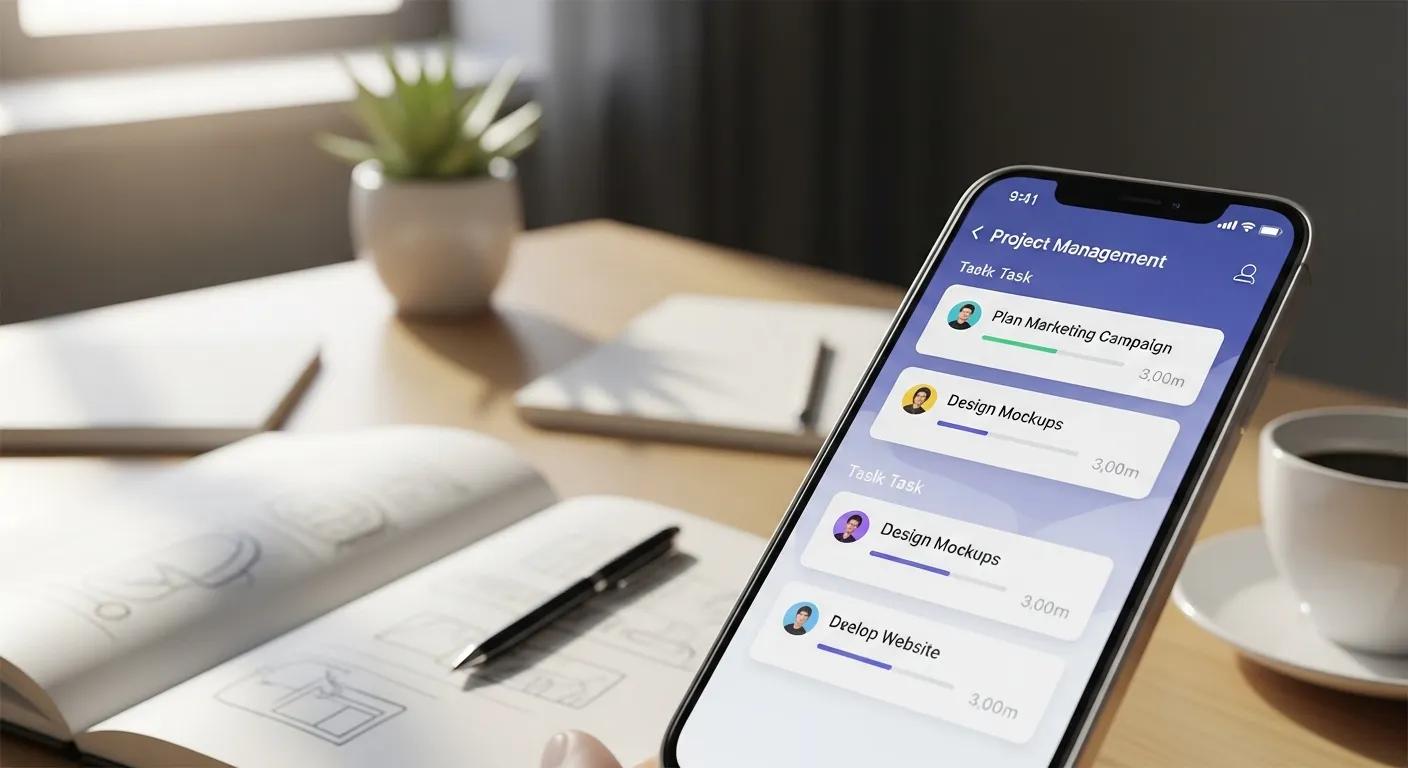
The design stages of mobile app development significantly influence user experience and functionality. A well-designed app not only attracts users but also keeps them engaged and satisfied.
Indeed, effective user experience design is paramount for mobile business apps, as it directly impacts user engagement and the app’s ability to serve its purpose, focusing on usability, functionality, and aesthetic appeal.
User Experience Design for Mobile Business Apps
Mobile applications development has brought the new opportunities for businesses to market their brands and products through a new channel. Such a channel encourages an increasing number of users engaging in mobile applications. However, the challenge of designing “useful” mobile applications still remains. To date, only few studies have been done on the identification of user experience features on mobile applications design. To this end, this study aims to provide a systematic review of mobile applications analysis and design, exploring main design features from a user experience perspective. Three design dimensions, namely usability, functionality and aesthetic design have been focused on in the study.
Analysis and design for mobile applications: A user experience approach, 2018
What are the key steps in user interface and prototyping design?
User interface (UI) design focuses on creating an intuitive and visually appealing layout for the app. Key steps include creating wireframes, developing prototypes, and conducting user testing. Prototyping allows designers to gather feedback early in the process, ensuring that the final product aligns with user expectations and needs.
How does agile methodology enhance app design for trades businesses?
Agile methodology promotes flexibility and collaboration in the app design process. By breaking the project into smaller, manageable tasks, teams can adapt to changes and incorporate user feedback more effectively. This iterative approach is particularly beneficial for trades businesses, as it allows for continuous improvement and alignment with market demands.
What checklist ensures a successful app launch and deployment?
A successful app launch requires careful planning and execution. Key tasks include preparing for app store submission, ensuring compliance with guidelines, and conducting final testing to confirm readiness.
What are the critical tasks for app store submission and launch readiness?
Before launching an app, several critical tasks must be completed:
- App Store Guidelines Compliance: Ensure the app meets all requirements set by app stores.
- Final Testing: Conduct thorough testing to identify and fix any remaining bugs.
- Marketing Strategy: Develop a marketing plan to promote the app upon launch.
How can trades businesses optimise deployment strategies for lead generation?
To maximise lead generation through app deployment, trades businesses should focus on targeted marketing strategies. This includes leveraging social media, email campaigns, and partnerships with industry influencers to reach potential users. Additionally, incorporating features that encourage user engagement, such as referral programmes or loyalty rewards, can further enhance lead generation efforts.
Why is post-launch app maintenance vital for ongoing success?

Post-launch maintenance is crucial for ensuring the app remains functional and relevant over time. Regular updates and user feedback play a significant role in maintaining user satisfaction and app performance.
What testing phases support app quality assurance after launch?
After launching an app, several testing phases are essential for quality assurance:
- User Acceptance Testing (UAT): Gather feedback from real users to identify any issues.
- Performance Testing: Monitor the app’s performance under various conditions to ensure stability.
- Security Testing: Conduct security assessments to protect user data and maintain trust.
How do updates and user feedback improve app performance over time?
Regular updates based on user feedback are vital for improving app performance. By addressing user concerns and implementing new features, trades businesses can enhance user satisfaction and retention. This ongoing commitment to improvement not only boosts the app’s functionality but also strengthens the brand’s reputation in the market.
This table summarises the essential stages of the mobile app development lifecycle, highlighting key activities that contribute to a successful app.
In conclusion, understanding the mobile app development lifecycle is essential for trades businesses looking to leverage mobile technology effectively. By following the outlined stages, focusing on user experience, and committing to ongoing maintenance, businesses can create successful mobile applications that drive engagement and generate leads.