
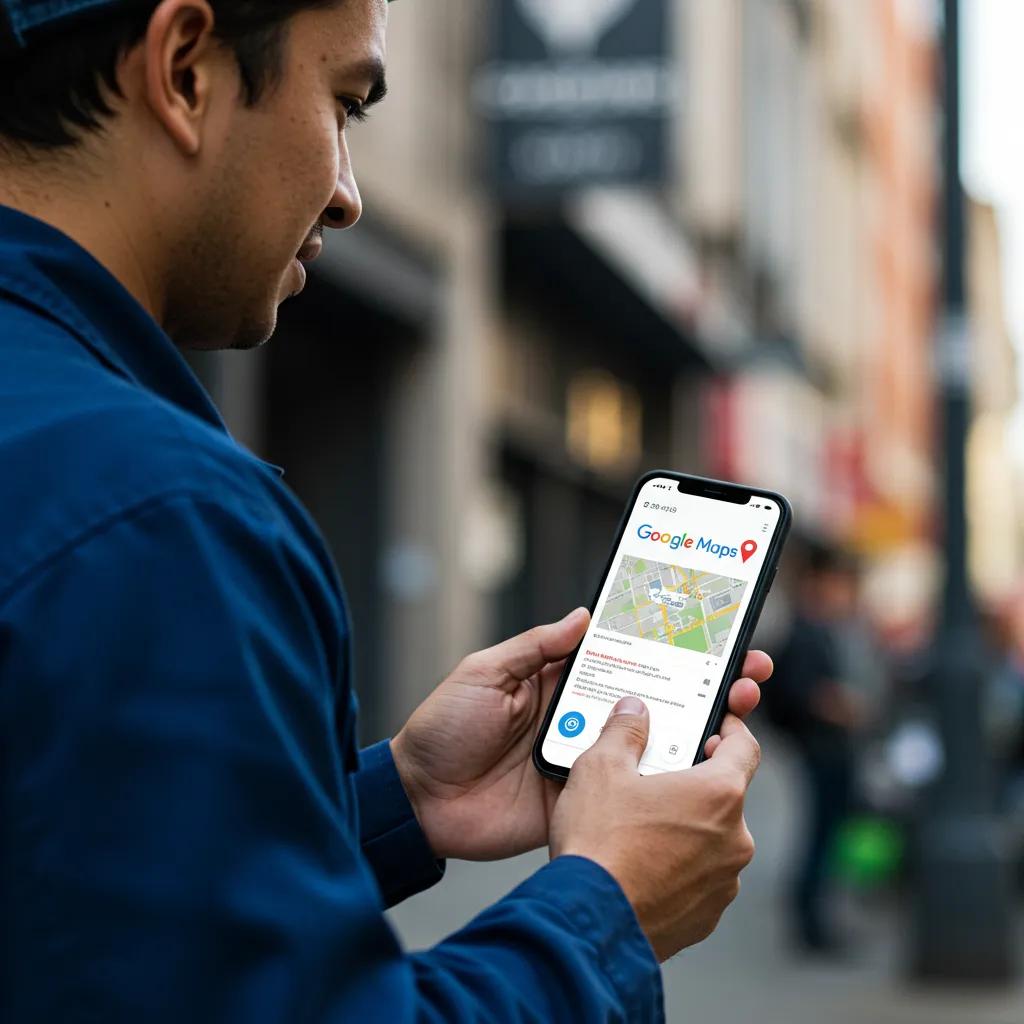
How to Optimise Your SEO Google Maps Listing to Rank Higher and Generate Leads for Trades
A Google Maps listing (Google Business Profile, GBP) is a public profile that connects local searches to your trades business and drives calls, direction requests, and online enquiries. This guide teaches tradespeople—plumbers, electricians, and builders—how GBP and Google Maps ranking factors work, which fields matter, and the precise steps to set up, verify, and optimise a listing for more local leads. Many trades struggle with inconsistent NAP, few reviews, and poor category choices; this article solves those problems with plain-language steps, checklists, and tables you can apply today. You will get a verification checklist, optimisation tactics for relevance and prominence, review solicitation templates, and local citation strategies. Each H2 section contains action lists and EAV-style comparison tables so you can audit your GBP quickly and measure improvements.
What Are the Key Steps to Set Up and Verify Your Google Business Profile for Trades?
A clean setup and successful verification establish the foundation for ranking on Google Maps by proving your business is real and local. Start by creating or claiming the GBP, then complete critical fields and choose verification that fits your business model. Accurate setup reduces friction when customers search for trade services and increases trust signals that feed into Google’s local algorithms.
- Search for your business and claim an existing GBP if present; otherwise, create a new listing using exact business name details.
- Choose the correct model: service-area business or storefront, and set service areas rather than exposing personal addresses when needed.
- Select the correct primary category and add relevant secondary categories and services that match actual trade offerings.
These steps set the stage for verification and optimisation. The next subsection explains the common verification routes and troubleshooting tactics you will likely encounter.
How Do Tradesmen Create and Verify Their Google Business Profile?
Creating and verifying a GBP begins with a signed-in Google account and the verification option that matches your eligibility. Trades typically verify by postcard, phone, or instant verification if using the same account as their website host; choose the method Google offers and follow the instructions promptly. Expect a postcard to arrive within 5–14 days, and if it doesn’t, use the postcard re-request option while checking that address/service area settings are correct. If verification fails, audit the account owner access, remove duplicate listings, and request support from Google, documenting each change for later review.
This verification routine reduces delays and ensures your GBP is active for optimisation actions described next.
Which Essential Business Details Should Trades Include in Their GBP?
Complete GBP fields clearly and consistently to improve relevance and customer trust: use exact NAP formatting, a clear primary category, service descriptions, business hours, and service areas. Include contact methods that match your website and any tracking phone numbers only if they are used consistently across citations. Add service-level entries for common jobs (for example, “boiler repair” for plumbers) with short localised descriptions, and upload quality photos showing vehicles, team, and before/after work. Consistency here improves citation matching and prevents confusion during verification, which then allows you to focus on ranking improvements in the next section.
Consistent business details reduce friction in citations and provide a reliable base for review collection and local authority building.
After setting up and verifying your profile, trades that prefer expert help can choose professional audits and setup assistance. Marchewka Studios, a Digital Agency operating in the UK, can audit and set up GBP for trades to ensure verification and initial optimisation are completed correctly. Business Leads
How Can Trades Optimise Their Google Maps Listing for Better Local SEO Visibility?

Optimising a Google Maps listing improves Relevance, Proximity, and Prominence—the three core ranking signals Google uses for local queries. Actionable optimisation includes selecting precise categories, using localised keywords in service descriptions, maintaining service-area settings, and adding updated photos and Google Posts. Regular content updates and adding services with clear local modifiers help Google match your listing to user queries. Below is a quick comparison table of GBP attributes and best-practice examples tailored for trades.
The table helps you prioritise fields to update first and why they matter for local queries.
Improving these attributes increases the chance of appearing in the Local Pack. The next subsection explains the ranking factors that determine which trade listings surface for nearby searches.
What Are the Most Important Google Maps Ranking Factors for Trades?
Google Maps ranking rests on three pillars: Proximity to the searcher, Relevance of categories and services, and Prominence signalled by reviews and local citations. Proximity is often outside direct control but can be influenced by service-area settings and strategically targeting towns in service descriptions. Relevance is addressable through precise categories, service entries, and keyword use in descriptions without stuffing. Prominence grows from steady review acquisition, local citations, and backlinks from trusted local sites. Combining these actions improves both immediate visibility and long-term authority.
The evolution of Google’s local search capabilities highlights the foundational elements that continue to influence rankings today.
Google Maps and Google Local Search: Ranking Factors
Google recognised that location search, and mapping as an inseparable component thereof, was arguably the most important and useful feature a search engine should possess. Many of Google’s competitors were considerably more advanced when “Search by Location” was introduced as part of Google Labs in September 2003. However, attempting to produce accurate results solely based on scraped data proved not only difficult, but in fact impossible. Prior to the official launch of Google Local in March 2004, Google enhanced the location data it had obtained via site indexing with additional structured data from yellow pages sources. At that nascent stage of development, the primary factors Google employed in their local search algorithm were “location”, “prominence” or “trust”, and “relevance” (as a component of Google’s general organic search algorithm). It was only in February 2005, upon the official launch of Google Maps, that “distance” was incorporated to bring the algorithm closer to its current iteration.
Google maps and google local search, 2016
Understanding each pillar lets you target effort where it returns the most ranking benefit for trades.
How to Use Keywords and Categories Effectively in Your Google Business Profile?
Use a narrowly accurate primary category and add up to several secondary categories that reflect actual services to improve relevance. Place localised keywords naturally within service descriptions and posts—mention towns and common job types, but avoid repeating the business name or stuffing keywords into the name field. Create short service descriptions that follow a template: service name, brief benefit, location modifier. This approach helps Google match your GBP to queries without risking policy violations.
Good category and keyword choices increase query matches and set clearer expectations for customers searching for trade services.
After reviewing optimisation tactics, trades may want professional optimisation. Marchewka Studios offers GBP optimisation services for trades and can implement category audits, keyword mapping, and service listing updates to improve local discoverability. Business Leads
How Do Trades Generate and Manage Google Reviews to Boost Their Google Maps Ranking?

Reviews are a primary signal for Prominence and influence click-through rates from Maps; a steady flow of authentic, recent reviews signals reliability and quality to Google and customers. Focus on ethical review solicitation at point of service, simplify the review action for customers, and ensure timely responses to build momentum. Monitor review sentiment and volume through GBP insights, and use reviews as social proof on service pages and marketing materials.
Before the table, here is why tracking channels matters: different channels yield different response rates and allow follow-up workflows that fit trade operations.
Use a consistent, policy-compliant message and track which channel produces the best conversion for your operation. The next subsection provides practical templates and timing advice.
What Are Best Practices for Soliciting and Responding to Customer Reviews?
Solicit reviews soon after job completion when satisfaction is highest, keep requests brief and personalised, and provide simple instructions for leaving a Google review. Use short templates tailored to the channel, for example: “Thanks for choosing us—if you were happy with the job, a quick Google review helps us and other local customers.” Respond to positive reviews with gratitude and a brief note about specific work to strengthen customer relationships. Timely, calm responses to every review—positive or negative—signal engagement and protect reputation.
Consistent review practices increase review velocity and improve both customer trust and local search signals.
How Should Trades Handle Negative Reviews on Google Maps?
Handle negative reviews with a calm public reply that acknowledges the issue, offers a pathway to resolve offline, and invites further contact to make it right. Document all interactions and preserve job records to support any dispute or request for removal if reviews violate policy. If a review is fraudulent or defamatory, follow Google’s reporting procedures with supporting evidence and escalate if necessary. Use negative feedback as a constructive source for process improvements to reduce repeat issues and improve future ratings.
A professional, solution-focused approach can turn a negative review into an opportunity to demonstrate customer service and recover trust.
This quick comparison clarifies which solicitation channels align with common trade workflows.
What Local Marketing Strategies Help Trades Build Authority and Rank Higher on Google Maps?
Local marketing beyond GBP strengthens Prominence and resilience in local rankings: maintain NAP consistency, submit to reputable trade directories, earn local backlinks, and publish location-specific case studies. Content on your website that targets local problems and showcases real jobs provides context for GBP and helps secure links from suppliers or community sites. Regularly auditing citations and tracking GBP Insights (calls, clicks, directions) allows you to measure which local activities move the needle. Below is a ranked list of citation and link sources that trades should prioritise for impact.
- Trade-specific directories and local chambers of commerce for authoritative citations.
- Supplier and manufacturer partner pages for contextual backlinks and referrals.
- Local news, sponsorships, and community pages for geographic relevance and links.
These tactics combine to raise local authority and create referral pathways beyond Maps. The final subsection explains NAP audits and practical citation maintenance.
How Does NAP Consistency Impact Local SEO for Trades?
NAP consistency ensures search engines and directories recognise the same business entity across the web, reducing confusion and strengthening citation signals. Conduct an audit by listing known citations, checking for formatting differences, and correcting inconsistencies on high-value sites first. Use a spreadsheet to track updates and prioritise corrections on directories that carry local authority. Tools can speed the process but manual checks on top directories and trade sites yield the most reliable results.
A disciplined citation maintenance routine preserves hard-won local authority and prevents ranking drops due to inconsistent data.
Which Local Link Building and Citation Strategies Work Best for Trades?
Focus on high-value, relevant citations like trade directories, local business associations, and supplier partnerships, then expand to local sponsorships and community content for broader relevance. Create short case-study pages targeting town names and common job types to attract local links and demonstrate topical authority. Monitor backlink and citation profiles quarterly and fix any broken or outdated entries to keep signals strong. Over time, consistent citation work and strategic local content create a durable prominence that supports higher Maps rankings.
For trades ready to accelerate results, Marchewka Studios can perform GBP audits and citation clean-ups tailored to trade needs and local markets. Business Leads
Frequently Asked Questions
What are the benefits of using Google Business Profile for trades?
Using Google Business Profile (GBP) allows trades to enhance their online visibility, making it easier for potential customers to find them during local searches. A well-optimised GBP can lead to increased calls, direction requests, and online inquiries. It also helps establish credibility through customer reviews and accurate business information, which can significantly influence a customer’s decision-making process. Overall, GBP serves as a vital tool for local marketing, driving more leads and ultimately boosting sales for tradespeople.
How often should trades update their Google Business Profile?
Trades should update their Google Business Profile regularly to ensure that all information is current and accurate. This includes updating business hours, adding new services, and posting recent photos. Frequent updates signal to Google that the business is active, which can positively impact local search rankings. Additionally, regular updates keep customers informed about any changes, promotions, or new offerings, enhancing customer engagement and trust.
What role do local citations play in Google Maps ranking?
Local citations are mentions of a business’s name, address, and phone number (NAP) across various online platforms. They play a crucial role in Google Maps ranking by helping to establish the business’s legitimacy and relevance in local searches. Consistent citations across reputable directories and websites enhance a business’s visibility and authority, which can lead to improved rankings. Therefore, trades should actively manage their citations to ensure accuracy and consistency across all platforms.
How can trades effectively manage their online reputation?
Trades can manage their online reputation by actively soliciting customer reviews and responding to feedback promptly. Encouraging satisfied customers to leave positive reviews can enhance credibility and attract new clients. Additionally, addressing negative reviews with professionalism and a willingness to resolve issues demonstrates good customer service. Regularly monitoring online mentions and engaging with customers on social media also helps maintain a positive image and build trust within the community.
What are some common mistakes trades make with their Google Business Profile?
Common mistakes include inconsistent NAP information, neglecting to update business hours, and failing to respond to customer reviews. Trades often overlook the importance of selecting the correct primary and secondary categories, which can affect visibility. Additionally, not utilising high-quality images or neglecting to post updates can diminish the profile’s effectiveness. Avoiding these pitfalls is essential for maximising the benefits of a Google Business Profile and improving local search rankings.
How can trades leverage social media to enhance their Google Maps presence?
Trades can leverage social media by sharing their Google Business Profile link on platforms like Facebook, Instagram, and Twitter. Engaging content, such as project showcases or customer testimonials, can drive traffic to their GBP. Additionally, social media can be used to encourage reviews and feedback, further enhancing their online reputation. By maintaining an active social media presence, trades can increase brand awareness and attract more local customers, ultimately boosting their Google Maps visibility.